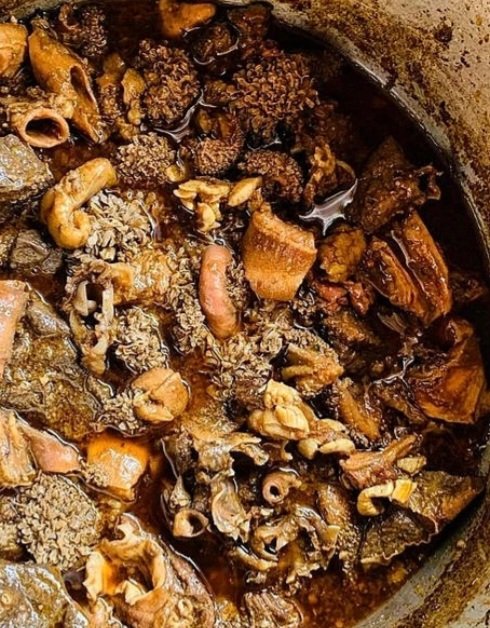
Serobe (Traditional Tripe and Intestine Stew)
Serobe (sometimes spelled Serobe or Serobe ya dikgomo) is a traditional dish popular in Botswana and parts of South Africa, particularly among Setswana-speaking communities.It’s made from the internal organs of a cow, especially the tripe (stomach), intestines, and sometimes the head meat. The organs are cleaned thoroughly, cut into small pieces, and then simmered slowly—often boiled for a long time until tender. Some versions include seasonings like salt, onions, and spices, but traditionally it’s a simple, hearty dish where the natural flavor of the meat is meant to shine.The dish is often served with bogobe (pap or porridge) or stiff maize meal. It’s enjoyed as a delicacy, representing resourcefulness and respect for using the whole animal.
Click below the individual ingredient link to shop on Amazon.
As an Amazon Associate, we may earn commissions from qualifying purchases.
As an Amazon Associate, we may earn commissions from qualifying purchases.
Ingredients
Ingredients
- 1 kg cow tripe (stomach)
- 500 g cow intestines
- 500 g head meat or other offal, (optional)
- 1 large onion chopped
- 2 tomatoes chopped, (optional, for a richer flavor)
- 2 cloves garlic minced
- 1 teaspoon salt (to taste)
- 1 teaspoon black pepper or aromatic spice blend, (optional)
- Water for boiling
- cooking oil (if frying onions)

Instructions
Instructions
- Rinse the tripe and intestines several times in cold water. Remove any unwanted fat and inner contents from the intestines. Soak in salty water for about 30 minutes, then rinse again thoroughly.
- Chop the tripe and intestines into bite-sized chunks.
- Place everything into a large pot, cover with water, and bring to a boil. Let it simmer for about 30–45 minutes, then pour off the water and rinse again. This helps remove strong odors.
- Return the meat to the pot, add fresh water to cover, and simmer for 1½–2 hours on medium-low heat until the meat becomes soft and tender. (You can use a pressure cooker to reduce cooking time.)
- In a separate pan, sauté the onions and garlic (and tomatoes if using) in a bit of oil until golden and fragrant. Add this mixture to the simmering pot. Season with salt and pepper.
- Cook for another 30 minutes, stirring occasionally, until the dish develops a rich, savory broth.
- Enjoy your Serobe hot, traditionally served with bogobe (pap/stiff porridge) or dumplings (madombi).
Disclaimer
Some parts or all of recipe maybe AI-generated. Recipe pictures are examples of recipe and represent no affiliation with photographer.
Nutrition
Calories: 30kcal (2%)Carbohydrates: 7g (2%)Protein: 1g (2%)Fat: 0.2gSaturated Fat: 0.04gPolyunsaturated Fat: 0.1gMonounsaturated Fat: 0.03gSodium: 586mg (25%)Potassium: 213mg (6%)Fiber: 2g (8%)Sugar: 3g (3%)Vitamin A: 516IU (10%)Vitamin C: 12mg (15%)Calcium: 20mg (2%)Iron: 0.3mg (2%)
Disclaimer
Nutritional information for this recipe is an approximation and is not to be construed as medical advice.
 Promotions
Kitchenware
Map Recipe
Promotions
Kitchenware
Map Recipe