


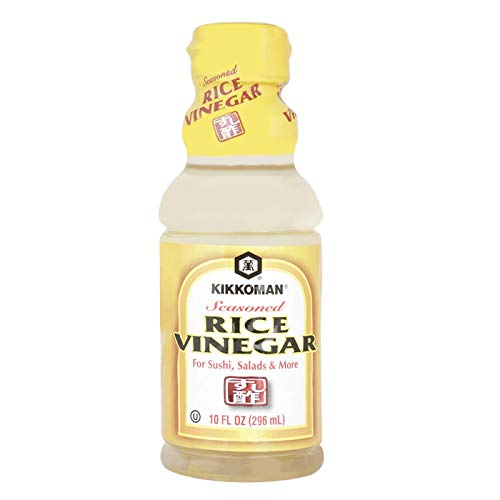

- Rice Vinegar, Water, Diluted with Water to 4.2% Acidity (42 Grain)
- Kikkoman Rice Vinegar is certified Kosher. Kikkoman Rice Vinegar is made to the highest standards of quality that consumers have come to expect from Kikkoman.
- Kikkoman Rice Vinegar is milder in flavor than other vinegars, with a hint of sweetness from the rice. The well-balanced acidity is an excellent addition to all kinds of dishes – Asian and beyond.
- Certified Kosher.
Discover more from MenuCulture
Subscribe to get the latest posts sent to your email.
| Flavor Name | 155114, 155115, Rice Vinegar, Seasoned Rice Vinegar |
|---|---|
| Size | 10 Fl Oz (Pack of 1), 10 Fl Oz (Pack of 3), 133447, 133448 |
23 reviews for Kikkoman Kikkoman Rice Vinegar
Add a review
Related products

Cooking & Baking

Arborist Merchandising Root

Grocery & Gourmet Food
-11%

Baking Chips
Pickled mushrooms #mushroom #pickling #kitchen –
Great value, perfect for the recipe I was trying out.
Amazon Customer –
Kikkoman only will do
KittKatt71 –
Read more
Amazon Customer –
Some recipes call for this ingredient, so I bought it. I haven't used it yet. I'm glad it was small in size because I will not use it often.
Pickled mushrooms #mushroom #pickling #kitchen –
Great vinegar with great taste!
Karen Bachman –
Read more
Amazon Customer –
Came on time and was good price for its size
Pickled mushrooms #mushroom #pickling #kitchen –
Rex Ingham –
Read more
Knits in Tardis –
Read more
Pickled mushrooms #mushroom #pickling #kitchen –
This rice vinegar is tasty and great for a lot of Asian dishes.
Amazon Customer –
This rice vinegar is tasty and great for a lot of Asian dishes.
Amazon Customer –
Read more
Amazon Customer –
Plastic bottle 🙁 the vinegar is good though. Nice flavor and not too acidic. Good for onigiri and sushi rice.
Anonymous –
Great product
Anonymous –
Great Quality!!!
Anonymous –
Not much to say here. Whether it's a good value for the money depends on what price you get it at, but it was as expected, and there were no issues with the taste. I'm not enough of a rice vinegar expert to comment on how authentic or typical or atypical its flavor is.
Arrived undamaged and exactly matches what's shown in the product description.
Pickled mushrooms #mushroom #pickling #kitchen –
The exception here might be sushi rice, which I really don't make, but I think sushi rice calls for sugar and salt, which may be why "seasoned" rice vinegar has sugar and salt in the ingredients list.
Regardless, I am not looking to incidentally add more sugar and salt to whatever recipe. Less processing is better, and most recipes that call for rice vinegar, mean just plain rice vinengar. I have a number of different vinegars in my cupboard – rice, apple cider, balsamic, red wine, white wine, and good ol' distilled, and they aren't really interchangeable without changing the character of the recipe, at least a tiny bit. There are some reasonable substitutions – I'd pick mildly sweet and mellow apple cider vinegar, or balanced and mild champagne vinegar if I find myself flat out of rice wine. I might even experiment with one of my more agressively flavored vinegars (malt? White basalmic?) and see if it might be good, understanding that it won't be the same. But in the kitchen, it helps to start with the baseline of knowing how the real thing tastes in a recipe. And then play.
Kikkoman tastes good, as good as other varieties I've tried. I think it's worth having a little 10 oz bottle like this in the cupboard, especially if you don't know what the substitution will do to your recipe. And it's really good for salad dressings, so even if I'm not on an asian cusine kick, I have no problem using it up.
christine –
Great vinegar with great taste!
Boo Boo2 –
Great vinegar with great taste!
Rex Ingham –
Came on time and was good price for its size
Amelia Kroon –
Adds a kick of flavor to rice
Pickled mushrooms #mushroom #pickling #kitchen –
The exception here might be sushi rice, which I really don't make, but I think sushi rice calls for sugar and salt, which may be why "seasoned" rice vinegar has sugar and salt in the ingredients list.
Regardless, I am not looking to incidentally add more sugar and salt to whatever recipe. Less processing is better, and most recipes that call for rice vinegar, mean just plain rice vinengar. I have a number of different vinegars in my cupboard – rice, apple cider, balsamic, red wine, white wine, and good ol' distilled, and they aren't really interchangeable without changing the character of the recipe, at least a tiny bit. There are some reasonable substitutions – I'd pick mildly sweet and mellow apple cider vinegar, or balanced and mild champagne vinegar if I find myself flat out of rice wine. I might even experiment with one of my more agressively flavored vinegars (malt? White basalmic?) and see if it might be good, understanding that it won't be the same. But in the kitchen, it helps to start with the baseline of knowing how the real thing tastes in a recipe. And then play.
Kikkoman tastes good, as good as other varieties I've tried. I think it's worth having a little 10 oz bottle like this in the cupboard, especially if you don't know what the substitution will do to your recipe. And it's really good for salad dressings, so even if I'm not on an asian cusine kick, I have no problem using it up.